Gorilla trekking in Rwanda is one of the most powerful wildlife experiences in Africa and the entire world.
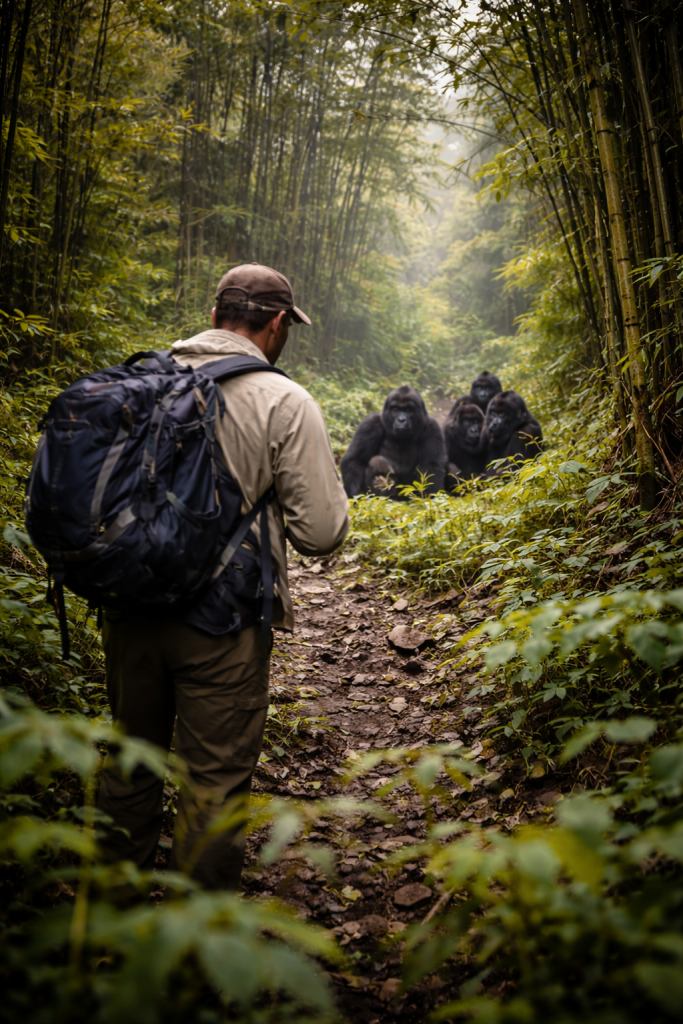
Deep inside the mist-covered forests of Volcanoes National Park, visitors hike through bamboo slopes and dense rainforest in search of endangered mountain gorillas. When you finally stand just meters away from a silverback in its natural habitat, the moment is unforgettable.
Unlike traditional game drives, gorilla trekking is immersive. And then you quietly observe a gorilla family going about their daily life.
Rwanda has become a global leader in conservation-based tourism. Gorilla trekking here is controlled, sustainable, and carefully managed to protect wildlife and local communities.
If you are planning a Rwanda safari in 2026, this complete guide covers everything you need to know.
Where Does Gorilla Trekking Take Place?
All gorilla trekking in Rwanda takes place within Volcanoes National Park, located in the country’s northwestern region near Kinigi.
The park forms part of the greater Virunga Conservation Area shared with Uganda and the Democratic Republic of Congo.
From Kigali, the drive takes approximately 2.5 hours. This short transfer makes Rwanda the most convenient destination for mountain gorilla trekking in Africa.
Rwanda Gorilla Permit Price (2026 Update)
One of the most searched questions is:
How much does gorilla trekking cost in Rwanda?
Learn more about How to Book a Gorilla Permit in Rwanda | Huza Gateway
As of 2026:
- $1,500 per permit (Foreign Non-Residents)
- $500 (Foreign Residents in Africa)
- $200 (East African Citizens)
The permit includes:
- Park entry fees
- Professional ranger guides
- One full hour with a habituated gorilla family
- Contribution to conservation and community programs
Only about 96 permits are issued per day. Booking at least 3–6 months in advance is highly recommended during peak season.
What to Expect on Trekking Day
Early Morning Briefing
- 4:45 AM – Departure from Kigali (if same-day trip)
- 7:00 AM – Arrival at Kinigi briefing center (Headquarters)
- Group allocation based on fitness level
You will be assigned to one of the habituated gorilla families, which is mostly selected by your tour Operator based on your fitness.
The Trek
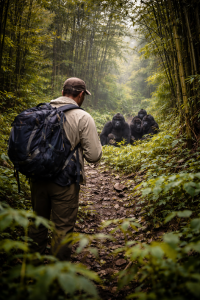
Treks may last between 1 and 6 hours, depending on the gorillas’ location.
Expect:
- Bamboo forests
- Muddy trails
- Steep slopes
- High-altitude hiking
Moderate fitness is helpful, but porters are available and strongly recommended.
The Gorilla Encounter
Once you locate the gorilla family:
- You spend exactly one hour observing them
- Flash photography is not allowed
- Maintain a 7-meter distance
- Groups are limited to 8 visitors
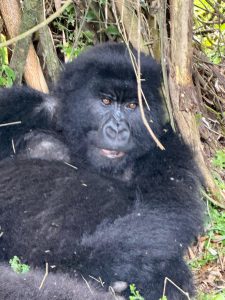
Watching a silverback protect his family while young gorillas play nearby is a rare privilege.
Gorilla Families in Volcanoes National Park
Rwanda has over a dozen habituated gorilla families available for trekking.
Some well-known families include:
Susa Family
A large group is often found at a higher altitude. Best for adventurous hikers.
Amahoro Family
Known for calm behavior. Suitable for moderate trekking levels.
Kwitonda Family
Located near the Uganda border. May require longer hikes.
Hirwa Family
Playful group with medium terrain difficulty.
Family allocation depends on availability and conservation management.
Best Time for Gorilla Trekking in Rwanda
Gorilla trekking is possible year-round.
Dry Seasons (Best Conditions)
- June to September
- December to February
Benefits:
- Less muddy trails
- Clearer mountain views
- Easier hiking conditions
Rainy Seasons (Underrated Option)
- March to May
- October to November
Benefits:
- Lush landscapes
- Fewer visitors
- Possible lodge discounts
Gorillas remain accessible throughout the year.
What to Pack for Gorilla Trekking
Bring:
- Waterproof hiking boots
- Long-sleeved clothing
- Rain jacket
- Garden gloves
- Water and snacks
- Camera (no flash)
Avoid perfumes and plastic waste.
Combining Gorilla Trekking with a Rwanda Safari
Many travelers combine gorilla trekking with:
- Golden monkey trekking
- Lake Kivu relaxation
- Cultural experiences
- Big Five safaris in Akagera
- Cross-border safaris into Uganda
Extended itineraries often combine mountain gorillas with wildlife viewing across Rwanda and Uganda.
Explore Rwanda Gorilla Trekking Safari Packages
14 Days Rwanda & Uganda Full Experience
Anchor text: View the 14 Days Rwanda & Uganda Gorilla & Wildlife Safari
Gorilla Trekking vs Uganda: Which Is Better?
Uganda also offers mountain gorilla trekking in Bwindi Impenetrable National Park.
Lead Also Gorilla Trekking in Rwanda vs Uganda (2026): Costs, Experience & Tips?
Rwanda advantages:
- Shorter transfer time from the airport
- Luxury lodge options
- Highly organized trekking system
Uganda advantages:
- Lower permit price
- Dense rainforest scenery
- Multiple trekking sectors
For travelers with limited time, Rwanda is often more convenient.
Why Work with a Local Safari Specialist?
Planning gorilla trekking requires:
- Securing limited permits
- Matching fitness levels
- Coordinating transport and accommodation
- Managing seasonal availability
Working with experienced Rwanda-based consultants ensures smooth logistics and up-to-date permit coordination.
Plan Your Gorilla Trekking Safari with Huza Gateway
Is Gorilla Trekking Worth It?
Yes.
Few wildlife encounters in the world allow such close, respectful interaction with an endangered species in its natural environment.
Permit fees directly support conservation, anti-poaching patrols, veterinary care, and community development.
Gorilla trekking is not just tourism — it is conservation in action.
About the Author
Written by Enock M – Rwanda Safari Specialist & Tourism Consultant.
Enock Musabyimana is a Rwanda-based independent safari specialist with extensive experience in gorilla trekking, conservation tourism, and East African wildlife logistics. He collaborates with leading safari operators and hospitality partners across the region, supporting itinerary design, permit coordination, and strategic sales development.
While working closely with established companies such as Huza Gateway, he also advises and supports other reputable tourism brands to help travelers experience seamless, locally guided, and sustainable safaris across East Africa.