
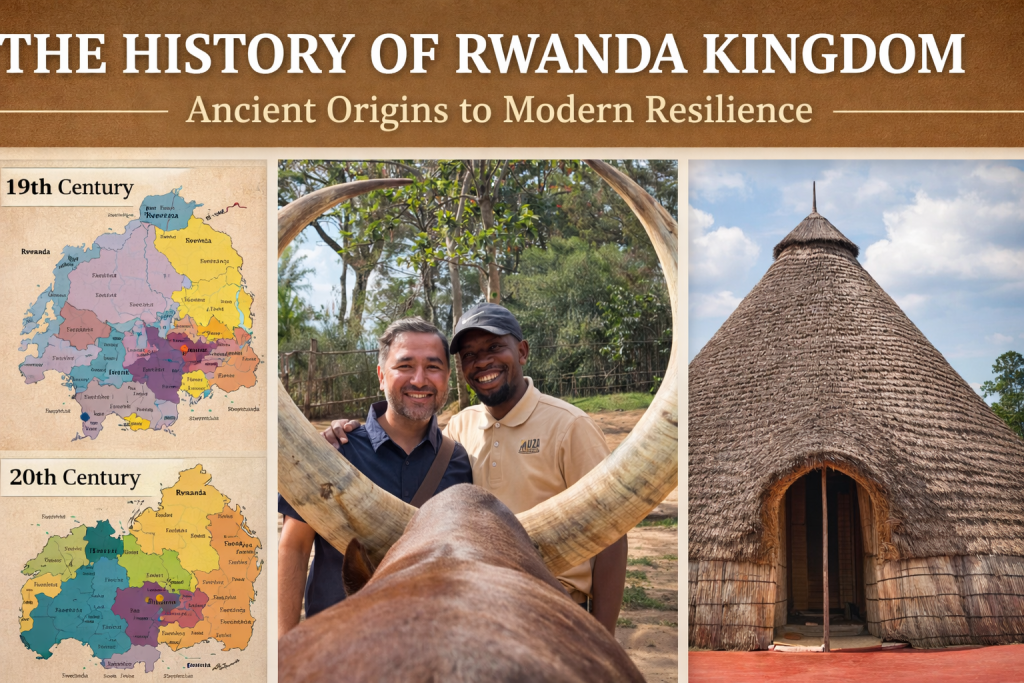
The History of Rwanda Kingdom tells a powerful story of leadership, unity, strength, and resilience. Rwanda did not become great by chance. Its strong identity grew over centuries through organized governance, royal authority, cultural heritage, and disciplined leadership. Today, understanding the History of Rwanda Kingdom helps people appreciate Rwanda not only as a beautiful destination but also as one of Africa’s strongest historical kingdoms.
Gasabo: The Birthplace of the Rwandan Kingdom
The History of Rwanda Kingdom begins in Gasabo, which is known as the heart and cradle of the kingdom. Oral history and research agree that this is where the Nyiginya dynasty took shape. Ruganzu I Bwimba is remembered as the first historically confirmed king, and from his time onward, Rwanda started expanding, strengthening leadership, and uniting its people.
Rwanda in the 15th and 16th Centuries: Courage and Expansion
During the 15th and 16th centuries, Rwanda showed tremendous courage and resilience. Although powerful neighboring states such as Bunyoro, Gisaka, Ndorwa, and Bunyabungo challenged Rwanda, the kingdom defended itself strongly. Kings like Kigeli I Mukobanya and Ruganzu II Ndoli led great expansions into regions such as Bugoyi, Bufumbira, Bwanacyambwe, and areas near Lake Edward. This period proves that the History of Rwanda Kingdom is a story of strength and determination.
The 17th Century: Reforms, Structure, and Strong Leadership
The 17th century marked a turning point in the History of Rwanda Kingdom. Important royal reforms defined symbolic king roles.
• Mutara and Cyirima kings promoted prosperity and cattle wealth
• Kigeri and Mibambwe kings strengthened military defense and expansion
• Yuhi kings ensured national stability and social welfare
Meanwhile, Rwanda expanded into Buberuka, Bukunzi, and Busozo. The royal drum Karinga, symbol of authority, regained prominence. Cultural traditions such as Kubandwa also strengthened national identity.
The 18th Century: Continued Growth and Military Strength
Even during royal disagreements, Rwanda continued to grow. Under Cyirima II Rujugira, Rwanda formed its first permanent royal army. This army protected the kingdom from powerful neighboring coalitions. Rwanda expanded into Buyenzi, Ndorwa, Umutara, Mubali, and Bugesera. Trade also increased, bringing cotton cloth, jewelry, and brass from the Indian Ocean coast. Rwanda was not isolated; it was connected and influential.
Rwanda in the 19th Century: A Kingdom at Its Greatest Size
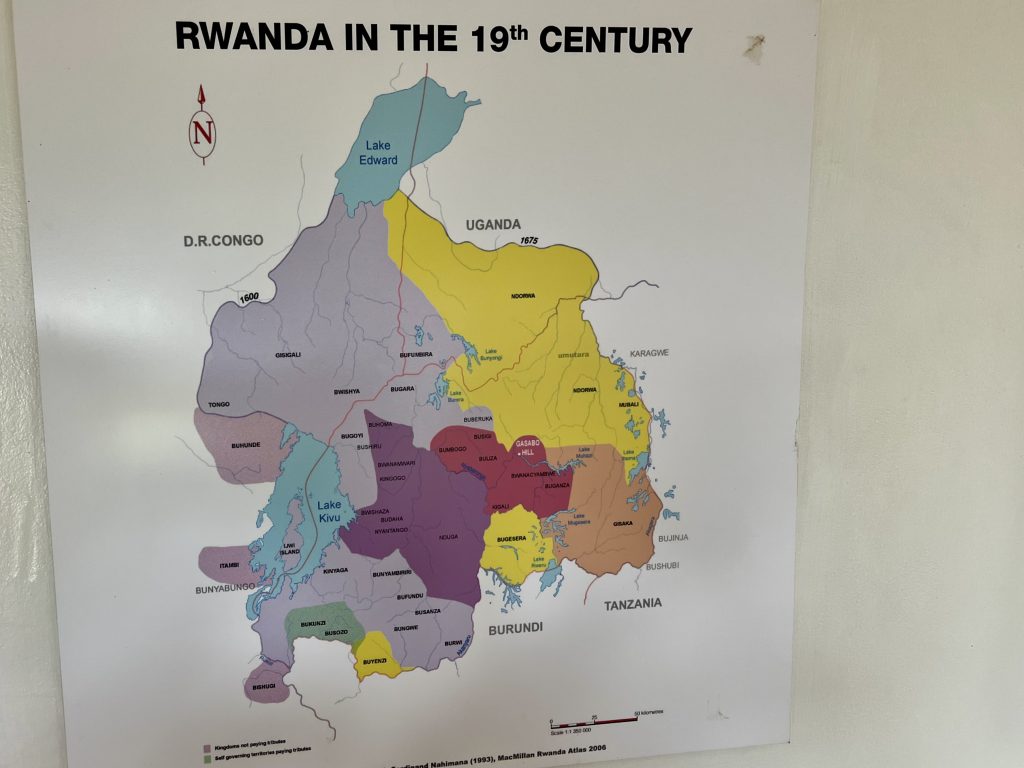
The 19th century map shows Rwanda as a powerful expanding kingdom. Under kings like Yuhi IV Gahindiro, Mutara II Rwogera, and especially Kigeli IV Rwabugiri, Rwanda extended influence west, north, and south. Regions such as Bwishya, Bugoyi, Bunyabungo, Bufumbira, and areas near Lake Kivu became part of the kingdom. This period represents one of the strongest moments in the History of Rwanda Kingdom.
Rwanda in the 20th Century: Colonial Borders and a New Reality
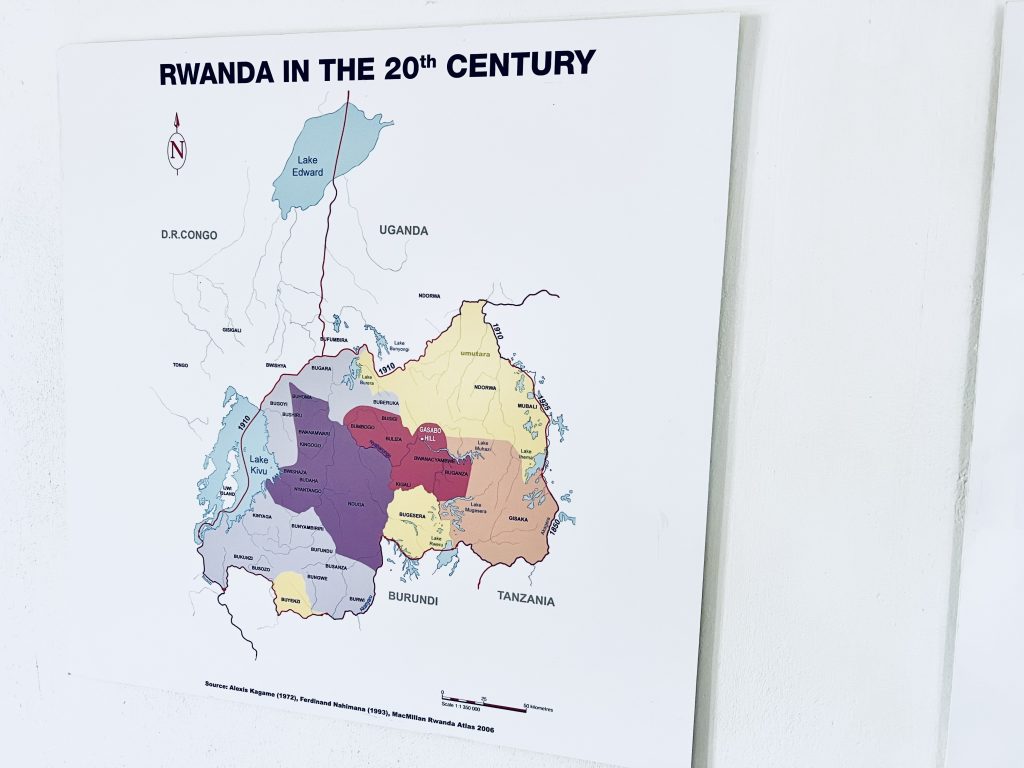
The 20th century brought big change. Colonial rule under Germany and later Belgium reduced Rwanda’s territory and fixed new international borders. The 20th century map shows Rwanda smaller and more defined compared to the 19th century. By 1910, colonial powers officially limited Rwanda to its current borders. Later in the century, Rwanda became a republic in 1962, officially ending the monarchy.
Where to Explore Rwanda’s Royal History Today
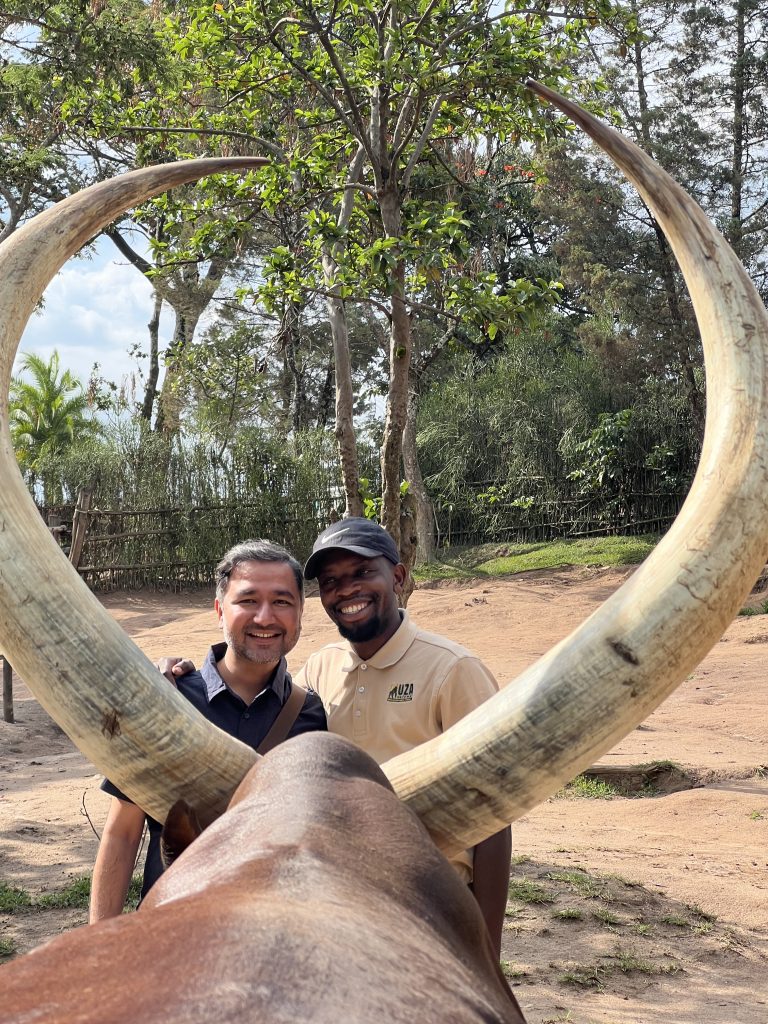
Anyone who wants to truly experience the History of Rwanda Kingdom, Huza Gateway helps Travelers visit Rwanda’s heritage sites. The Nyanza King’s Palace Museum is one of the best places to learn about royal tradition, royal cattle, palace architecture, cultural rituals, and kingly leadership. Other museums and heritage centers across the country also preserve this powerful legacy.
Why the History of Rwanda Kingdom Still Matters
The History of Rwanda Kingdom continues to shape Rwanda’s identity today. The country’s unity, discipline, organization, and national pride come from centuries of kingdom leadership. Rwanda stands today as a peaceful, proud, and forward-looking nation, built on strong historical foundations.
Also Read One Day in Kigali – Culture, History, Markets, Art & Nature